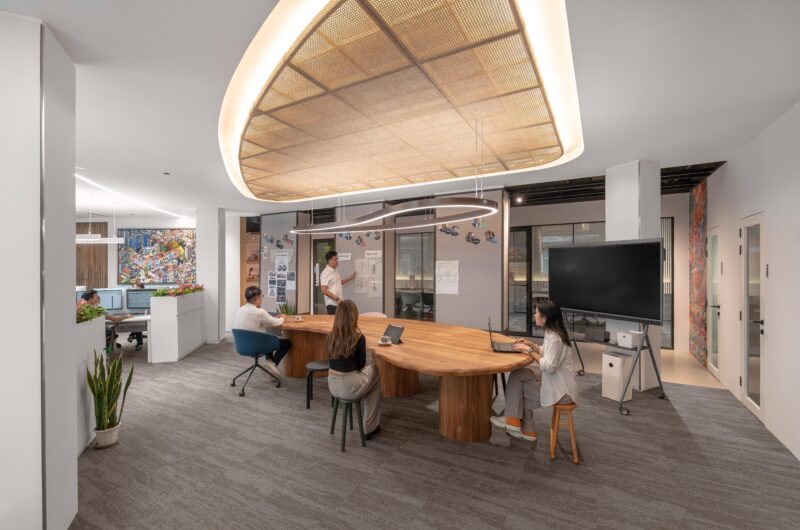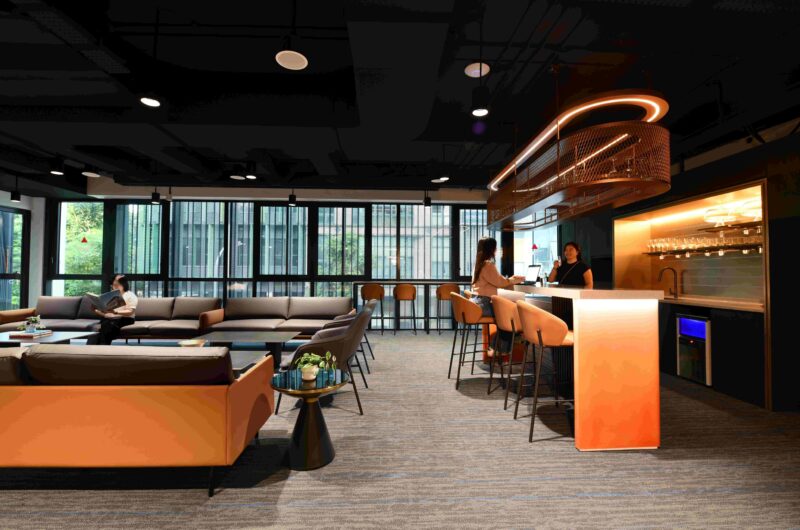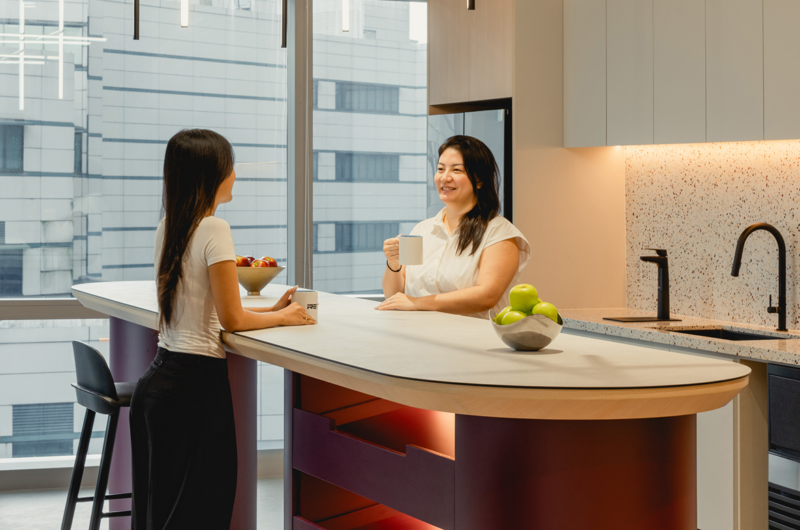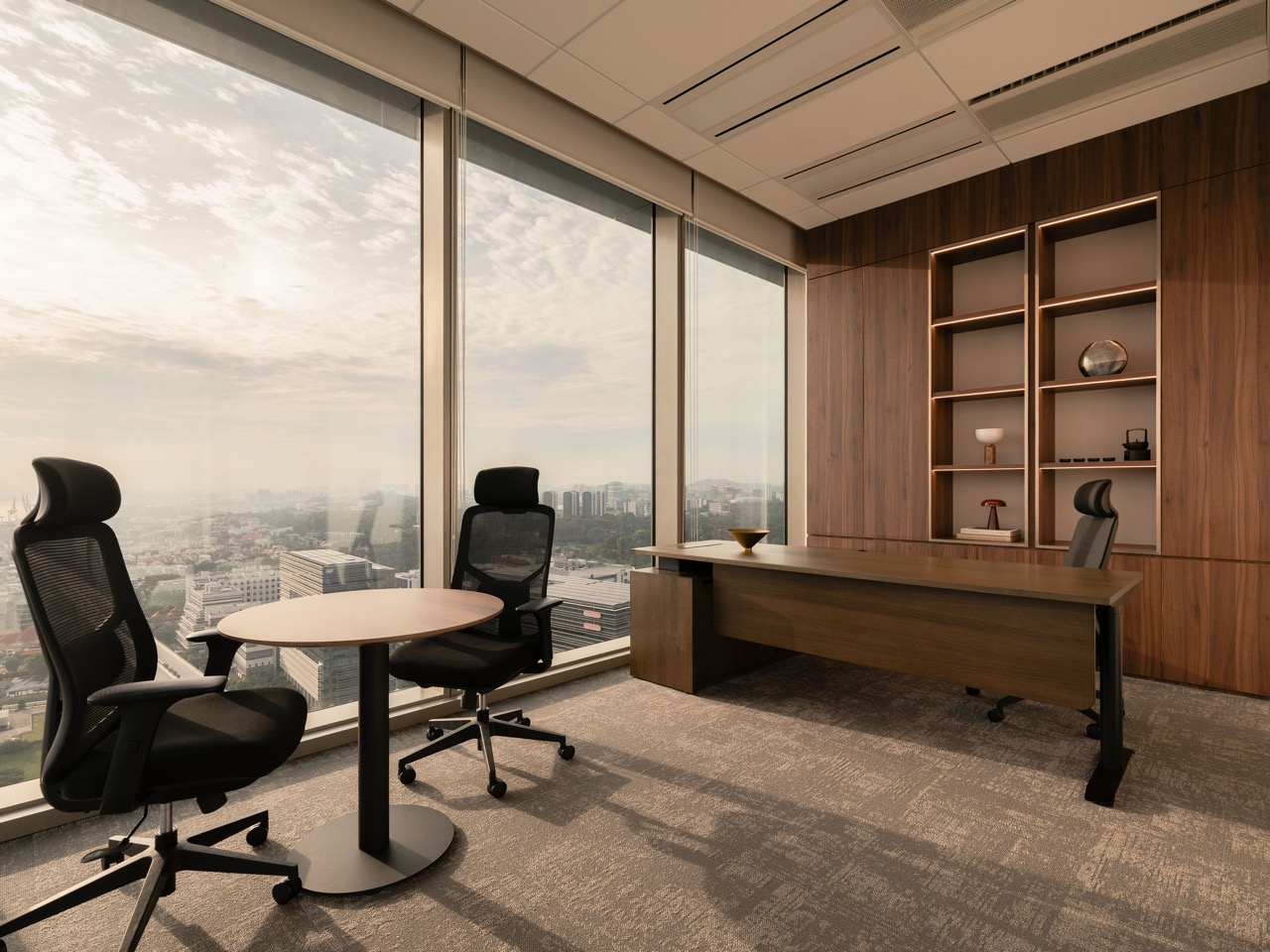
The weight of a countertop edge under your fingertips. The way a wall texture absorbs sound. The warmth of a timber ceiling panel against cooler concrete flooring.
Materials have always been part of design. The right material choices now shape employee wellbeing, reinforce brand identity, influence how people behave in a space, and determine whether a workplace feels like somewhere worth showing up to every day.
This is what the future aesthetic of the workplace looks like. Not a single style or trend, but a deliberate, material-led approach to building spaces that actually work for the people inside them.
Material selection should happen at the earliest stages of a project.
Organisations are now asking much more of their physical environments. A workspace has to do more than provide desks and meeting rooms. It needs to reinforce culture, attract and retain talent, signal brand values to clients and visitors, and support a range of different working styles. Materials are one of the most powerful tools to deliver all of that simultaneously.
Texture: The Most Underrated Element In Commercial Design
Texture is the element that most people cannot name but everyone responds to. In commercial spaces, texture does three specific jobs.
Acoustic Performance
Hard, flat surfaces reflect sound. Textured surfaces absorb and diffuse it. Ribbed timber battens, perforated metal ceiling tiles, woven wall textiles, and acoustic plaster finishes all manage sound while contributing to the visual character of a space. In open-plan offices, this matters enormously. The number one complaint in most open-plan environments is noise. A thoughtfully textured material palette reduces that problem while simultaneously making the space look richer and more intentional.
Visual Depth and Interest
Monochromatic spaces are fast to design and easy to specify. They are also forgettable. But texture introduces depth, and depth holds attention. A fluted stone reception desk reads differently from a flat one. A wall of hand-laid ceramic tile creates visual movement that a painted surface never will. This is not decoration for its own sake. For brands that care about social presence and organic marketing, the material quality of their workspace is now a genuine strategic asset.
Psychological Comfort
Research in environmental psychology consistently shows that people feel more comfortable and productive in spaces with textural variety. It connects to our instinctive preference for natural environments, which are never monotonous. Introducing a variety of surfaces, rough and smooth, matte and reflective, hard and soft, creates an unconscious sense of richness that translates directly to how people feel about being in the space.
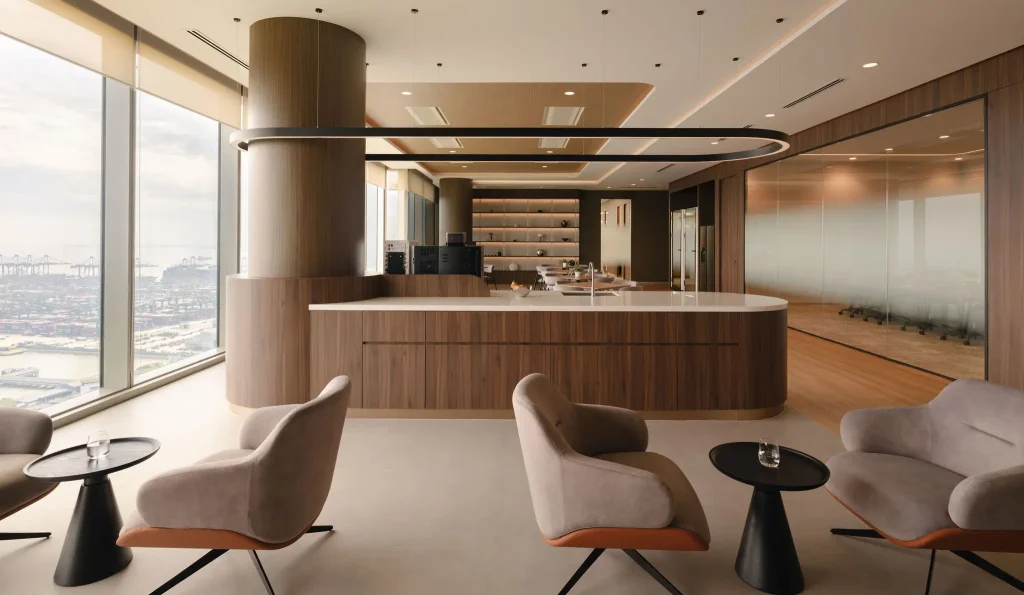
Finish Decisions Have Compounding Effects That Go Well Beyond Aesthetics
Commercial spaces take a serious beating. High foot traffic, frequent cleaning, UV exposure, and the general entropy of having hundreds of people move through a space daily all degrade materials over time. Choosing the right finish for the right application is one of the most important decisions in a commercial fit-out.
Durability and Long-Term ROI
A polished concrete floor might look stunning on day one. But in a corridor with constant foot traffic and cleaning chemicals, an unsealed or poorly finished concrete will pit, stain, and dull within a year. The same material with the correct densifier and matte sealer finish holds up for decades.
Maintenance Reality
High-gloss surfaces show every fingerprint. Certain stone finishes require annual sealing. Dark coloured upholstery in high-use areas fades and pills. A good designer builds the maintenance reality into the specification, selecting finishes that age gracefully, mask daily wear, and align with what the client can realistically sustain.
The Matte Revolution
One of the clearest finish trends in contemporary commercial design is the shift away from high gloss toward matte and satin surfaces across almost every material category. Matte timber. Matte stone. Brushed metal. Matte paint finishes with depth and pigment density.
The reason is partly aesthetic and partly practical. Matte surfaces feel warmer, less sterile, and more tactile. They photograph better under artificial light. They are also more forgiving in use, hiding minor surface wear and cleaning marks that would read as damage on a gloss equivalent. For commercial interiors, this finish direction aligns almost perfectly with what organisations are trying to achieve in workplace design.
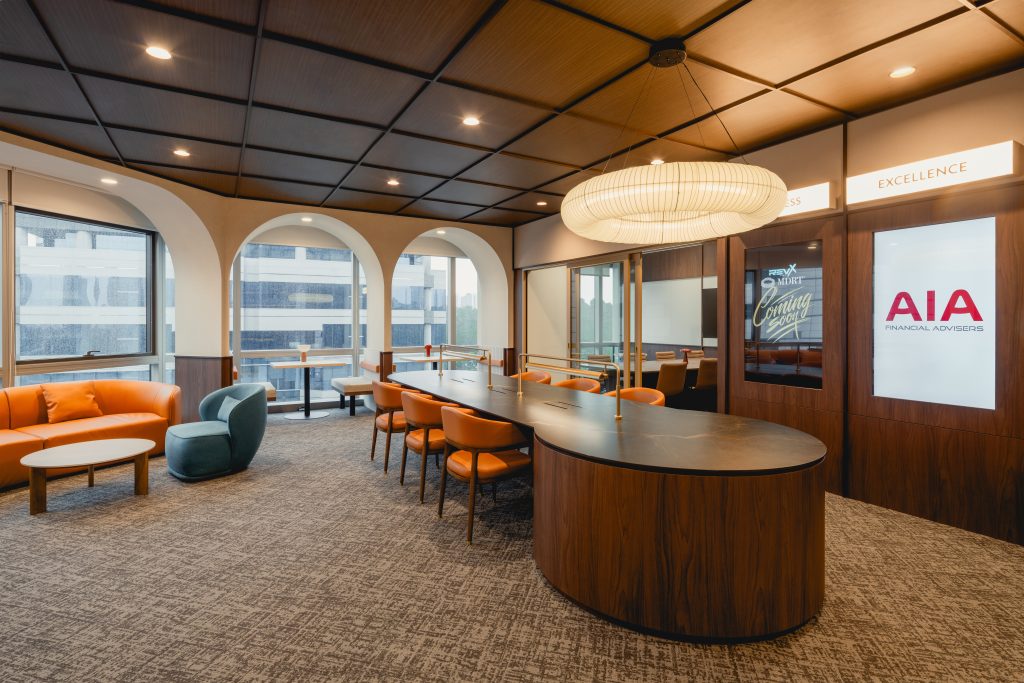
The Biophilic Material Palette: Nature as a Design System
The science behind biophilic design is now well-established. Exposure to natural materials, patterns, and elements reduces stress, lowers cortisol, improves concentration, and contributes to measurable improvements in productivity and satisfaction.
Natural Materials That Work Commercially
The challenge with natural materials in commercial settings has historically been durability and maintenance. Engineered stone delivers the visual and tactile qualities of natural marble or granite with significantly better durability and consistency. Timber composite systems provide the warmth and visual texture of solid wood with the structural stability required in high-use commercial applications. Performance textiles now replicate the look and feel of natural fibres with commercial-grade durability ratings.
Biophilic material design also draws on the visual patterns found in natural environments. The fractured geometry of cracked earth expressed in terrazzo. The irregular surface of rough-hewn stone that echoes rock formations. Curved, organic forms in joinery profiles rather than exclusively hard right angles. These pattern references are processed subconsciously, but they have a measurable calming effect.
Specification Mistakes That Undermine Good Design
Chasing the Render
Design renders are produced under ideal lighting conditions, often with digital enhancements to saturate colours and sharpen contrasts. Materials in a real space, under real lighting, at real scale, look different.
Ignoring the Transition
Individual materials can look extraordinary in isolation. Where commercial interiors often stumble is in the transitions between them. The junction between flooring and wall base. The threshold between carpet and hard floor. The connection between ceiling system and structural element. These transition details are where material quality either holds together or falls apart. Poor transitions make expensive materials look cheap. Considered transitions make modest materials look resolved.
Quantity Without Quality
There is a design principle that applies strongly to material selection in commercial spaces: fewer materials used well beats many materials used adequately. A palette of four to six carefully chosen materials, applied consistently and with attention to finish and detail, will always outperform a space where twelve different materials have been assembled without a clear hierarchy or logic.
Ignoring the Ageing Curve
Materials change over time. Some age beautifully. Specifying materials without accounting for how they will age in the specific environmental conditions of a commercial space, humidity levels, cleaning chemicals, UV exposure, foot traffic patterns, is a specification failure that shows up two years after handover and is expensive to address.
If you are a business leader or facilities decision-maker commissioning a commercial fit-out, the material conversation should happen early and it should be substantive. Not just “we like warm tones” or “keep it minimal.”
There is a reason that the world’s best commercial workplaces feel immediately different from average ones. It is not primarily about the budget, though that helps. It is about the intentionality behind every material decision and the understanding that each surface, each finish, each transition between materials is communicating something to every person who experiences the space.
The future aesthetic of the workplace is material-led, sensory-aware, and deeply connected to the identity of the people and organisations it houses. It treats texture, finish, and material selection not as decorative afterthoughts but as the primary instruments of spatial experience. That is the standard to build toward. And it starts with taking materials seriously from day one.