Hybrid Workplace in Singapore: A Practical Guide for Business Owners
Picture an office environment where your team can come into the office three days a week, share ideas face-to-face, and then work remotely the rest of the time. This setup isn’t just a passing trend; it’s a dynamic workplace that shows how a hybrid workplace can accommodate both in person collaboration and individual tasks, all without sacrificing employee engagement or better work life balance.
Right now, many business owners in Singapore want a hybrid work model that works in practice. They see that remote work, combined with strategic in office time, brings cost savings, improved mental health, and a way to hold on to top talent . By designing a successful hybrid office from the start, employers benefit from a flexible approach that helps their teams and bottom line thrive.
The Big Shift Towards Hybrid Work
- Why This Hybrid Work Model Makes Sense
Hybrid work is catching on because it balances daily convenience with strong company culture. When remote workers and on site workers share a central hub, you tap into a distributed workforce that spans different locations but still gathers for in person interactions. According to the Cisco Hybrid Work Study (2024), many workers appreciate the option to work remotely for tasks that demand focus, while heading to the physical office for brainstorming. This mixture can reduce real estate costs, attract top talent, and even give employees work patterns that fit different lifestyles. - The Rise of Collaborative Hybrid Office Spaces
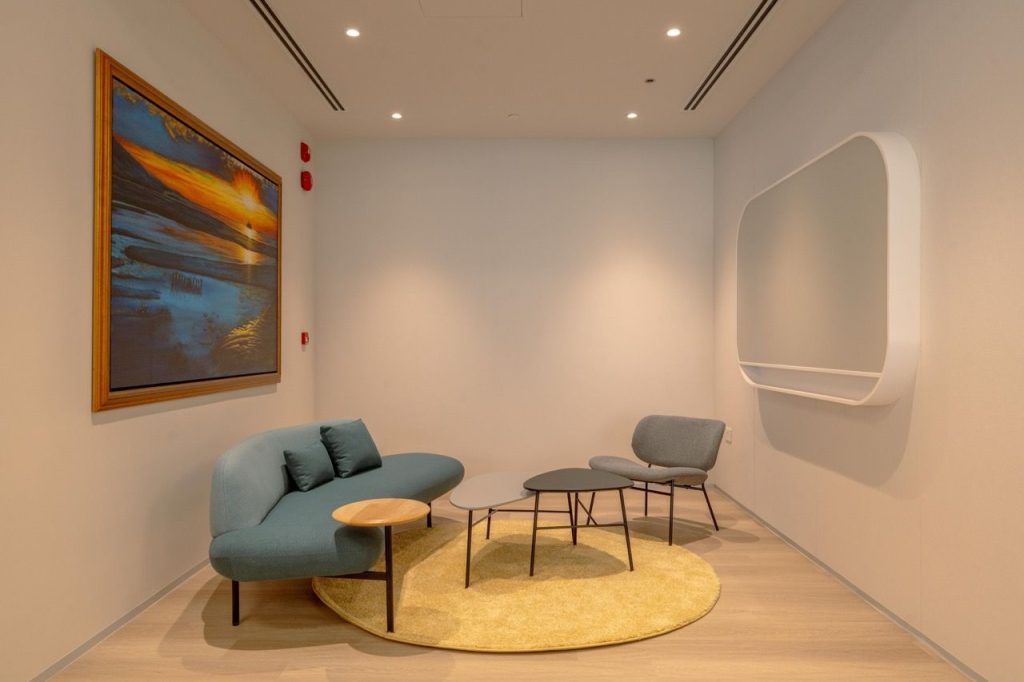
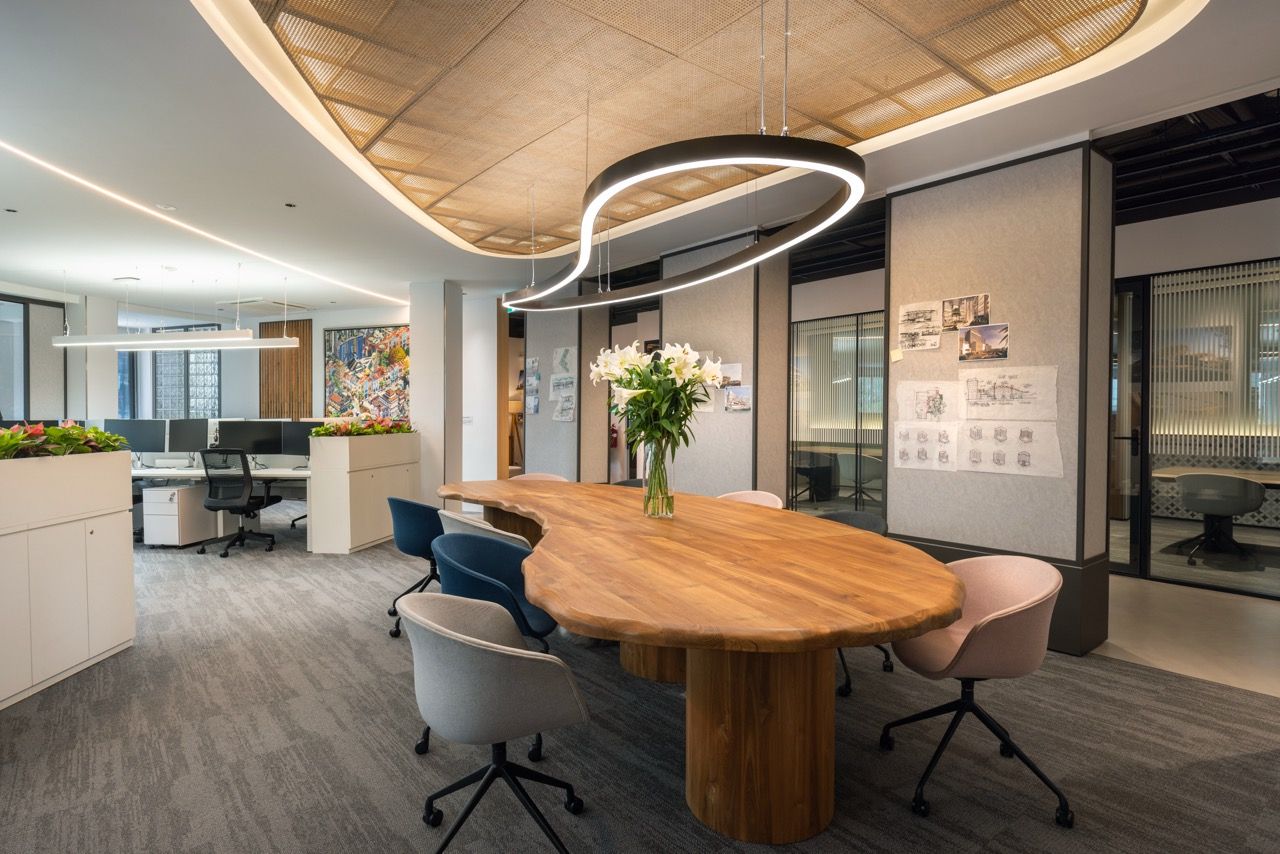
It’s not enough to just add a few desks and call it hybrid work. The CBRE Global Workplace Insights Report (2023-2024) notes that a hybrid office model often involves open lounges, multi-purpose rooms, and shared areas that encourage collaboration. If most employees work remotely but still come into the office occasionally, the space available should inspire a productive workforce, rather than sit empty. This focus on purposeful design helps keep office attendance meaningful and gives office workers a clear reason to be on site.
How Hybrid Workstations Support Office Processes
- Efficient Collaboration and Workflow
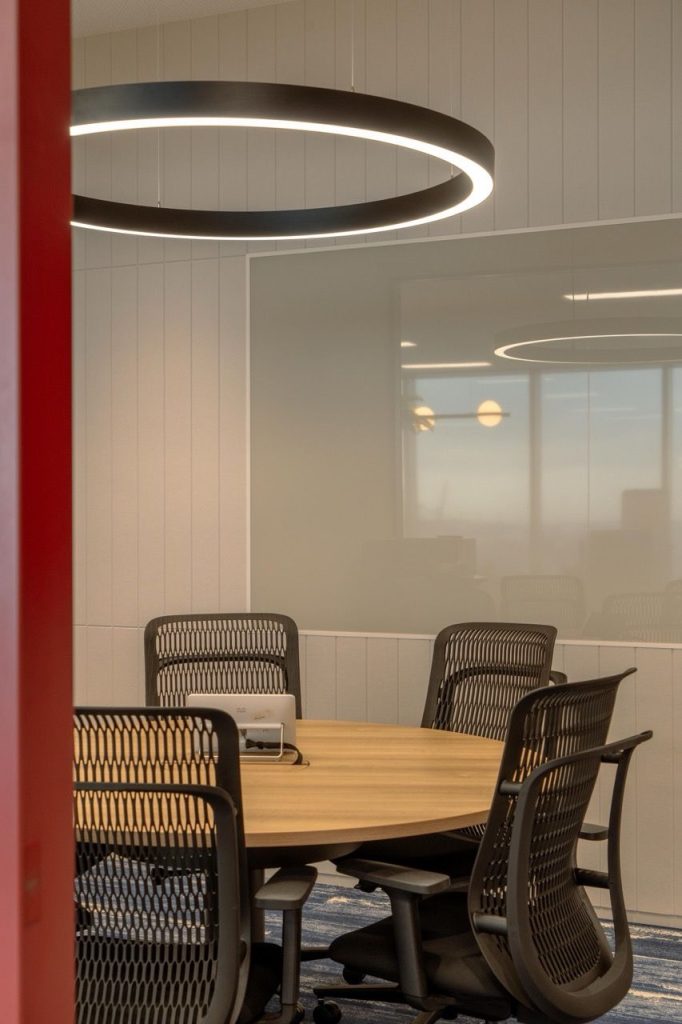
In a hybrid work environment, strong communication tools and well-planned layouts boost employee productivity. Hybrid workers split their working week between remote location setups and in office tasks. On days they come into the office, they can hold quick meetings that benefit from face-to-face energy. When employees work remotely, instant messaging and a quick video call handle everyday updates. This workflow also fosters a workplace strategy where teams finish projects faster. - Smoother Communication for Hybrid Teams
Hybrid teams often rely on a combination of in person sessions and remote check-ins. You can gather continuous feedback from both office based staff and remote employees, ensuring that nobody feels left out. The Cisco Hybrid Work Study (2024) highlights how a well-managed hybrid work schedule keeps everyone on the same page, leading to fewer misunderstandings and smoother day-to-day operations. - Balancing Remote and In-Office Work
Balancing remote work with in office work means creating clear policies. Some businesses have found that assigning certain days a week for coming on site can bring structure without feeling rigid. An expert featured in the FlexOS Hybrid Design Guide (2024) emphasizes that a successful hybrid workplace depends on office spaces that encourage collaboration and let on-site workers easily connect with remote workers. By doing so, you keep your hybrid work culture alive and reduce the chance that employees feel detached or burned out.
Another benefit? You risk losing fewer employees to competitors if you offer a hybrid work model that respects personal schedules and supports better work life balance. This approach helps you maintain a distributed workforce where hybrid employees stay engaged without having to be in the office full time.
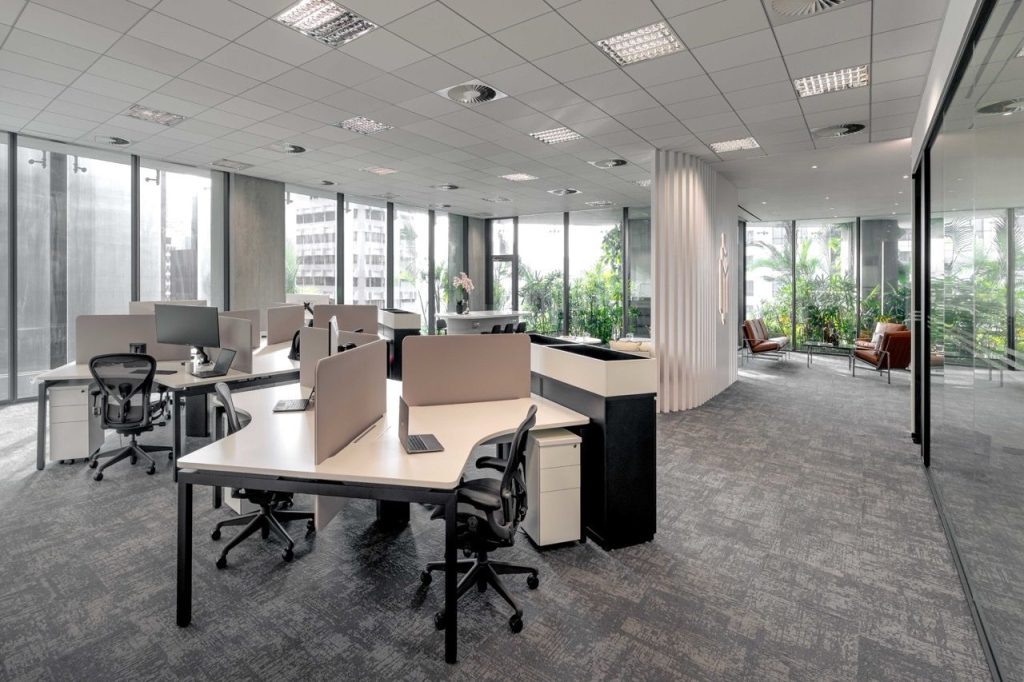
Challenges and Solutions in Hybrid Office Design
- Maintaining Company Culture
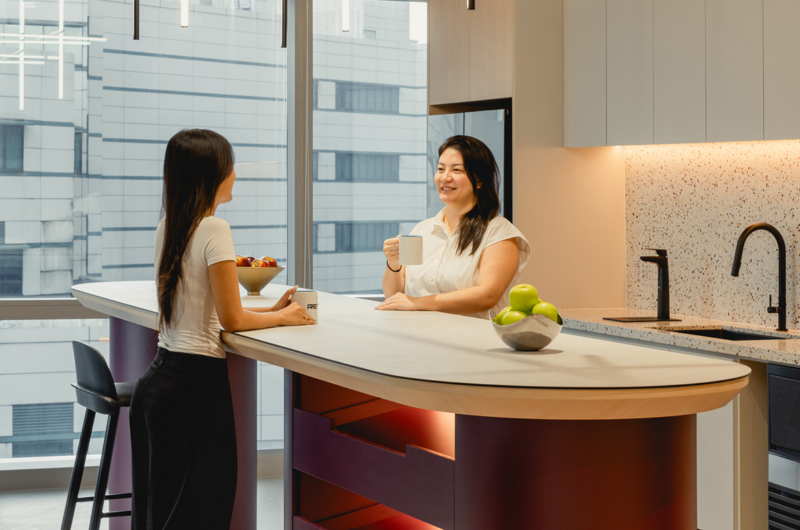
Keeping a cohesive corporate culture across a hybrid workforce can be tricky. One key is to design an office space that fosters small chats and meaningful discussions. Even if employees work remotely, they still feel connected when they come into the office for team-building or casual catch-ups. By weaving in open seating areas, quiet zones for individual tasks, and communal spots to encourage collaboration, you support the sense of belonging that successful hybrid setups require. - Boosting Employee Engagement
Employee engagement depends on the feeling that everyone has a voice. Regular employee feedback sessions via town halls or one-on-one video call check-ins help leadership understand what’s working and what isn’t. The flexibility to work remotely means people can juggle personal commitments, boosting morale. But if the office space fails to provide reasons for in person interactions, engagement might dip. - Optimising the Office Space
Smart design can transform a patchy office into a vibrant central hub. The FlexOS Hybrid Design Guide (2024) recommends biophilic elements, modular furniture, and a flexible approach to seating arrangements. That way, your physical office layout matches your hybrid model—no wasted corners, no misused meeting rooms. When you adapt your office environment to suit a hybrid workforce, you get more out of every square foot.
Remember that on site presence should feel natural, not forced. If employees only show up for routine tasks, they might question the point of commuting. Creating purposeful meeting spaces, breakout rooms, and comfortable lounge areas makes the in office experience worthwhile. This helps hold up employee engagement and keeps everyone invested in the shared corporate culture.
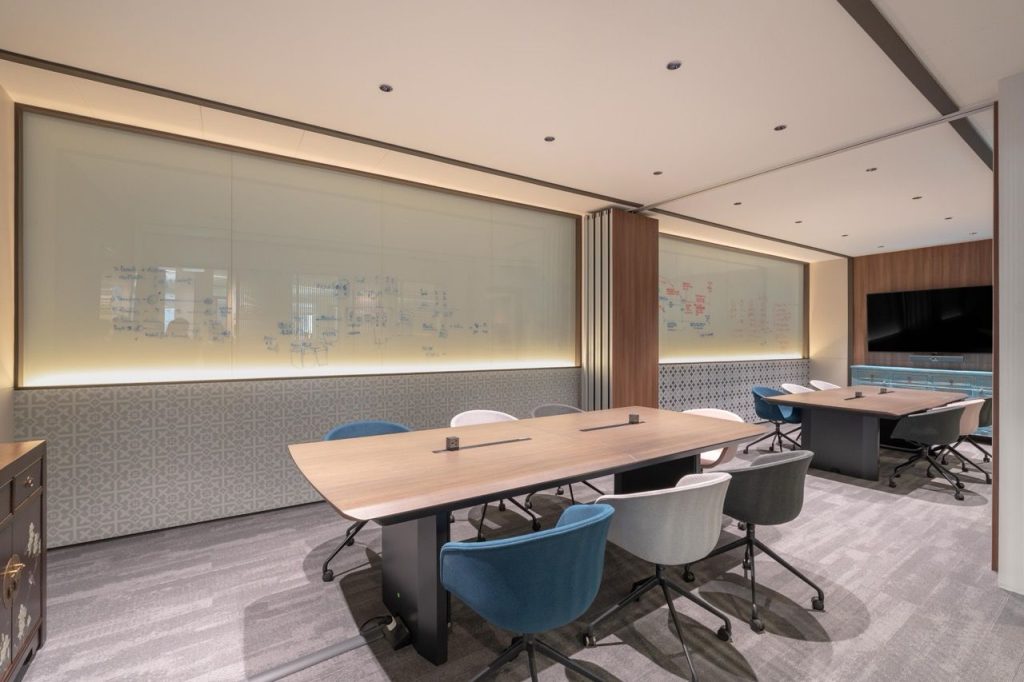
Adapting to the Hybrid Office Trend
- Looking Ahead in a Rapidly Evolving Landscape
Although hybrid work seems to dominate conversation now, the future of work is unpredictable. Technology keeps evolving, and workforce preferences shift quickly. A 2021 Microsoft report notes that while hybrid models are everywhere today, businesses must remain open to changes or risk becoming outdated. It’s wise to gather continuous feedback from remote workers, hybrid workers, and office workers to fine-tune your strategy. - The Data Behind Hybrid Work Shifts
Remote work in the USA increased five-fold in 2024 compared to 2019 (Reworked, 2024). While Singapore might have its own pace, the trend is clear: many workers value flexibility, and a hybrid work environment is one solution. If companies don’t adapt, they risk losing top talent who prefer a mix of on site and remote options. This approach not only supports work life balance but also helps shape a successful hybrid path for the long run.
At the same time, it’s important to keep exploring how employees work best, whether that’s fully remote on some days a week, coming into the office occasionally, or splitting time in a way that suits individual roles. Making room for different working hours can foster a productive workforce that maintains a strong hybrid work culture.
If you’re a business owner looking to optimize your hybrid office model, remember the key perks: cost savings, an expanded talent pool, and a workplace strategy that promotes a successful hybrid office. When employees work remotely yet still connect in person, you can build a corporate culture that appeals to many workers seeking a better work life balance.
We’re here to help you shape an office space that makes hybrid work a reality. Feel free to check out our website where we share tips and trends on designing a central hub that fits both remote employees and on site workers. Our articles dive deeper into our latest event news. For real-time snapshots and behind-the-scenes moments, follow us on Instagram and Linkedin to see how thoughtful interior design can bring your hybrid plans to life.