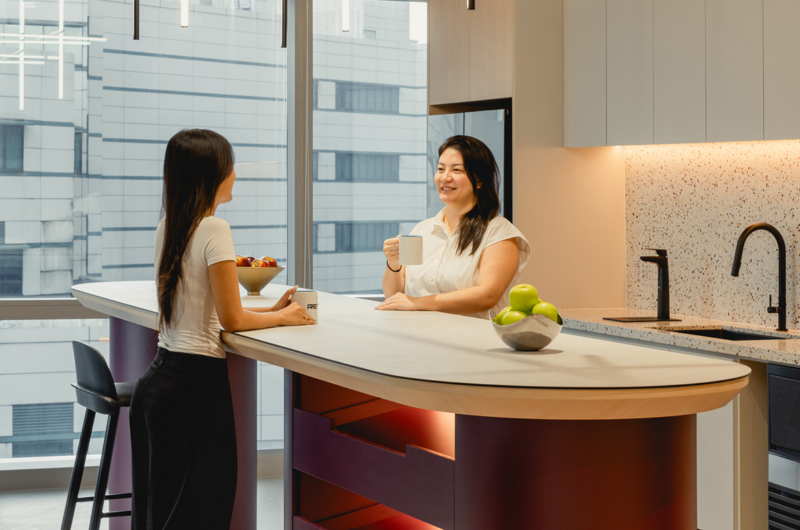

Work is changing, and so are the spaces that shape it. World of Work #WoW is our new series exploring how design, technology, and culture are transforming the modern workplace in Singapore.
In today’s rapidly shifting global work landscape, Singapore stands out as a dynamic leader in reimagining the workplace. As a global business hub aligned with its progressive Smart Nation vision, Singapore workplace is pioneering innovative workspace strategies that balance flexibility, sustainability, technology, and inclusivity. The city-state’s evolving corporate culture and infrastructure create a future-ready work environment designed to support a hybrid and diverse workforce while prioritising environmental responsibility.
The Hybrid Work Revolution in Singapore: Beyond a Trend to Strategic Priority
The COVID-19 pandemic fundamentally accelerated the adoption of hybrid working models worldwide, with Singapore leading the way in Asia-Pacific. According to a recent study, 68% of workers in Singapore are offered hybrid work arrangements—the highest rate in the region. This model has moved past being merely a contingency solution. It is now a core pillar of workplace strategy for businesses across industries.
Singapore companies are implementing flexible workspace designs that empower employees to fluidly alternate between office and remote work. This approach helps balance productivity demands with employee wellbeing. Addressing the growing employee prioritisation of work-life balance, meaningful work, and workplace flexibility. Such hybrid environments drive demand for modular furniture that can be reconfigured quickly, collaborative zones that encourage team engagement, and advanced technology-enabled meeting rooms that support seamless communication no matter where participants are located.
Businesses adopting this model also benefit strategically by attracting and retaining talent in an increasingly competitive market. As caregivers and other groups re-enter the workforce supported by flexible arrangements, company productivity and workforce participation rates have shown improvement. These hybrid workplaces are not just about space. They represent a cultural shift towards trust, autonomy, and adaptability, which are critical for future success.
Sustainability as a Cornerstone: Singapore’s Green Plan 2030 in the Workplace
Singapore’s commitment to sustainability is resolutely anchored in its Green Plan 2030. This sets ambitious targets across multiple pillars, including energy efficiency, sustainable living, and building a green economy. The impact of these policies is deeply felt in workplace design and operations.
Modern offices in Singapore integrate energy-efficient systems like LED lighting, smart ACMV controls, and renewable energy sourcing. Eco-friendly construction materials and circular design principles reduce waste and carbon footprints while promoting durability and reusability. These elements align with the stringent Building and Construction Authority (BCA) Green Mark certification that many Singaporean companies are actively pursuing.
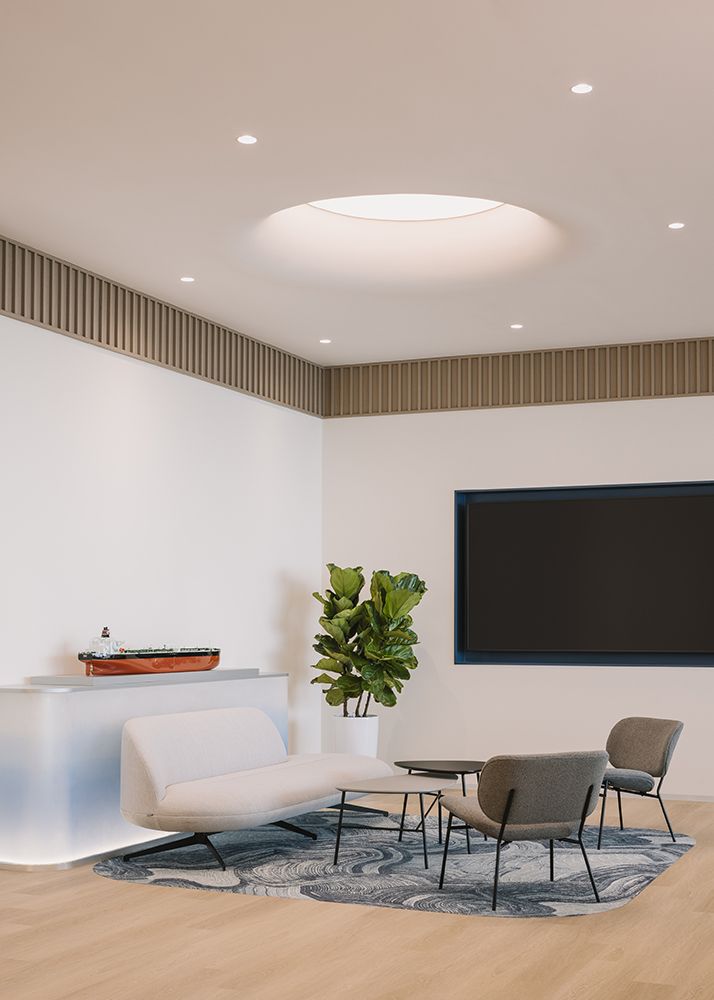
Sustainability efforts extend beyond compliance to encompass indoor environmental quality. Workspaces are designed with occupant health in mind, employing natural ventilation, maximising daylight, and incorporating biophilic elements such as indoor plants and natural materials. Singapore’s tropical climate inspires design solutions that enhance wellbeing while improving energy consumption. These green workplaces not only contribute to climate goals. This also boost employee satisfaction and productivity, by fostering healthier, more pleasant environments.
Moreover, sustainability initiatives create new professional development avenues and job opportunities in green technology, waste management, and renewable energy sectors, positioning companies and their workers for long-term resilience in a green economy.
Smart Nation Technologies Empowering the Workforce
Singapore’s Smart Nation vision propels the integration of advanced technologies into everyday work environments, transforming how offices operate and how employees experience work. The latest phase, Smart Nation 2.0, focuses on trust, growth, and community. This translates into smart infrastructure that supports sustainable, efficient, and connected workspaces.
Internet of Things (IoT) devices now enable data-driven management of office environments. Sensors track occupancy patterns to optimise space utilisation and energy consumption. AI-powered climate control systems adjust temperature and lighting dynamically, enhancing comfort and reducing waste. Smart security systems using facial recognition and AI analytics ensure safety without compromising convenience.
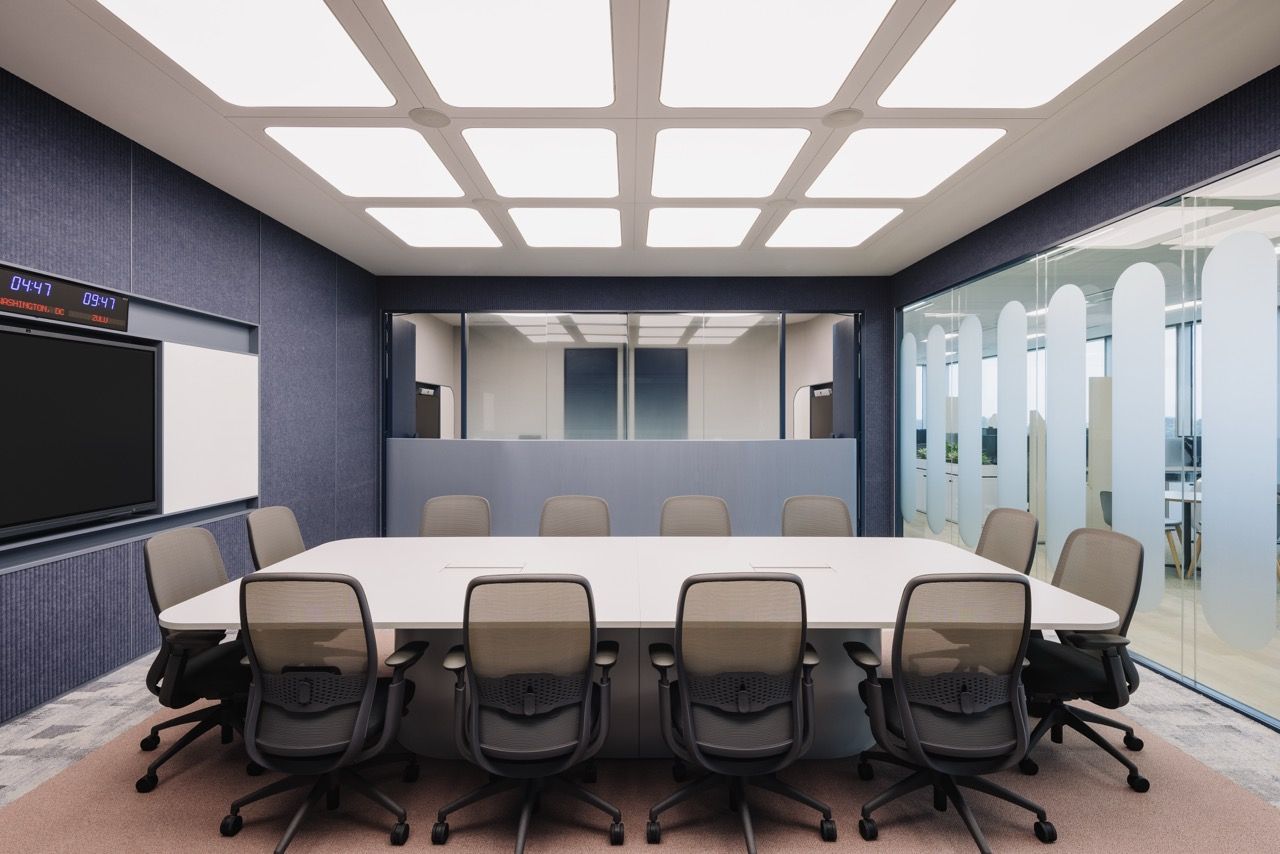
Conference rooms equipped with state-of-the-art interactive boards, noise-cancelling technology, and lag-free video conferencing tools enable seamless hybrid collaboration. These technologies bridge the gap between onsite and remote employees, fostering an inclusive and engaging work culture.
The growing use of data analytics platforms supports personalised employee experiences, adapting the workspace to individual preferences and work styles. This tech-enabled adaptability helps businesses stay agile and competitive while enhancing the employee user experience.
Cultivating Agility and Inclusivity in Workspace Design
Singapore’s multicultural and multi-generational workforce demands inclusive office designs that recognise diverse cultural norms, accessibility requirements, and collaboration preferences. Creating spaces that accommodate this diversity is critical for talent attraction, engagement, and retention.
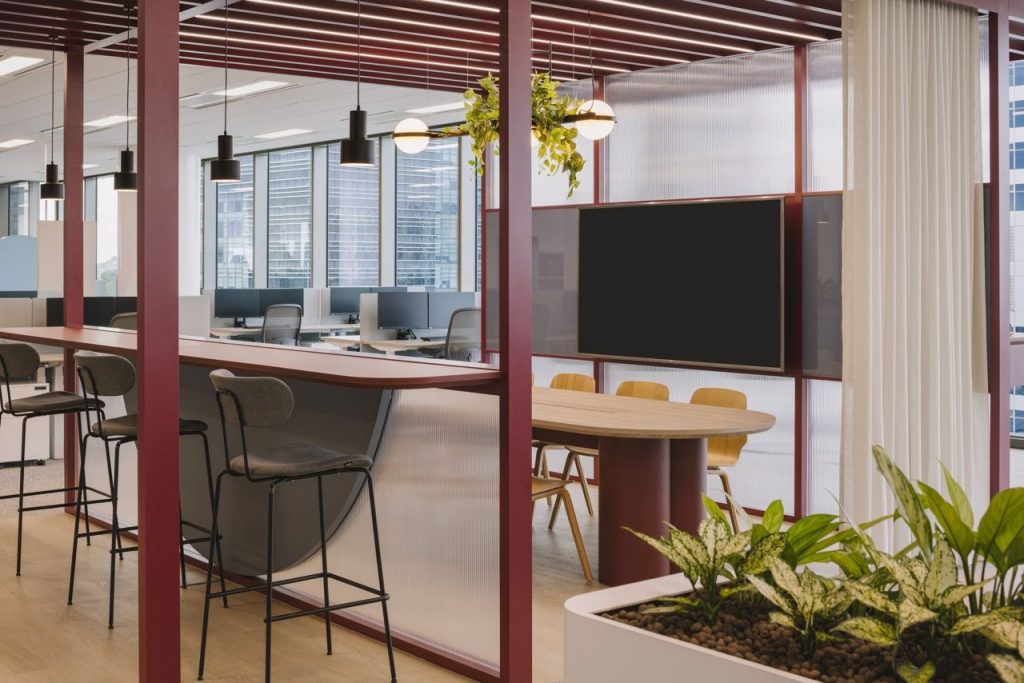
Modern workplace layouts feature agile configurations with movable partitions and activity-based working zones. These flexible spaces allow teams to reorganise quickly for different tasks, promoting creativity and responsiveness to business changes. Inclusive design features include tactile flooring, braille signage, and quiet rooms tailored for neurodivergent employees, reflecting empathy and accessibility.
Companies are also integrating their brand’s identity and values into inclusive spaces through multimedia installations, inspirational messaging, and community areas that foster social connection and a sense of belonging. This brand expression is not merely decorative—it enhances employee engagement by making individuals feel seen and valued.
Building a Future-Ready Singapore Workplace: The Global Benchmark
At the convergence of hybrid work, sustainability, smart technologies, and inclusivity, Singapore’s workplace strategies are setting a global benchmark. Businesses here are not only adapting to the new world of work—they are defining it. Forward-thinking office interior design and build firms have a crucial role in empowering organisations with tailored workspace solutions that reflect these priorities.
By embracing flexible work models, incorporating sustainable building practices, leveraging Smart Nation innovations, and fostering inclusive environments, Singapore companies are creating offices that support dynamic business needs and diverse workforce expectations.
Connecting with Singapore’s Unique Business Landscape
Singapore’s evolving landscape is a complex interplay of regulatory frameworks, cultural diversity, tech innovation, and environmental commitment. Workplace strategies that fully resonate with this unique context deliver measurable benefits—higher employee satisfaction, productivity gains, cost efficiencies, and a strong employer brand.
Organisations ready to thrive in today’s world must shift from static office planning to continuous workspace evolution. They need data-driven insights, strategic foresight, and adaptable design to respond to ongoing changes in technology, workforce demographics, and sustainability imperatives.
Engage with us to craft workspace strategies uniquely suited to your business’s goals and Singapore’s future-ready environment. Together, we can create office environments that inspire, empower, and sustain your workforce—today and beyond.